

The idea of a zero-waste kitchen can feel intimidating, really, who has time for perfectly planned meals, no scraps, no waste at all? In reality, that’s not how most of us cook or live. A more achievable and sustainable approach is working towards a low-waste kitchen – one that focuses on reducing waste where you can, without adding pressure or complexity to our already complicated lives.
What Is a Low-Waste Kitchen?
A low-waste kitchen is about being mindful of how you shop, cook and store food. It’s not about eliminating waste entirely, but rather reducing it through small, practical habits. From using up what you already have to rethinking how you treat leftovers, it’s a flexible approach that fits into everyday life.
Start with What You Have & Think Beyond Scraps
One of the easiest ways to reduce waste is to shop your fridge and pantry first. Before heading to the store, take stock of what needs using up and build meals around it. Slightly tired vegetables can be revived in soups, stir-fries or sauces, while leftover grains like rice or couscous and proteins can become quick bowls or wraps.
In a low-waste kitchen, what’s often discarded can become an ingredient. Vegetable peels, herb stems, and onion skins can be simmered into a rich, homemade stock. Citrus peels can be zested, candied or infused into syrups and dressings. Even small odds and ends can add flavour when used creatively.
Give Leftovers a Second Life
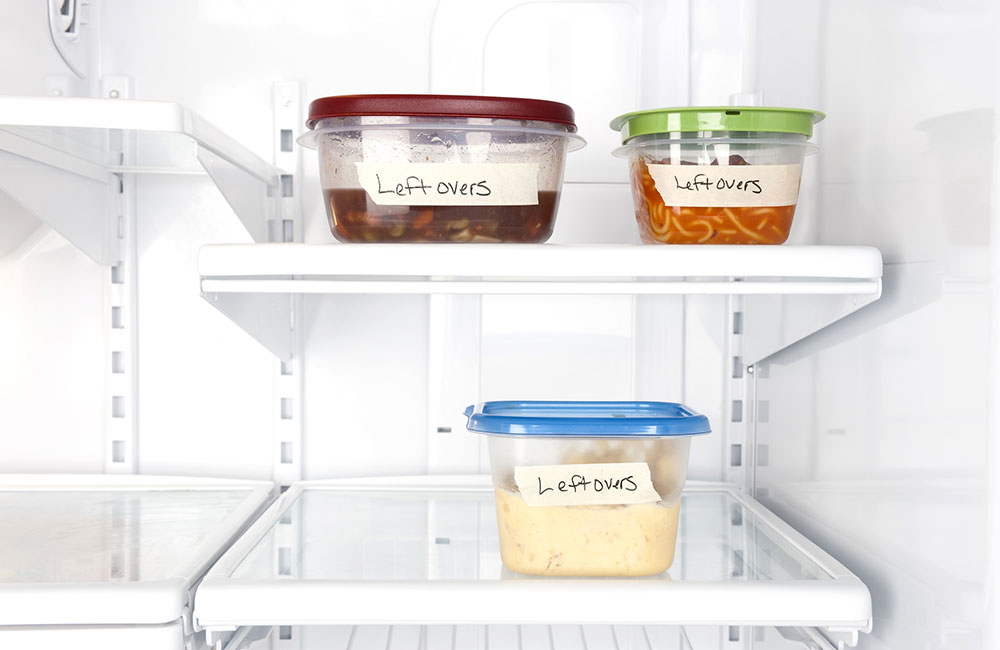
Leftovers don’t have to feel repetitive. Roast vegetables can be turned into frittatas or blended into soups, while cooked meats can be shredded into tacos or salads. Stale bread is another easy win – transform it into croutons, breadcrumbs or French toast, or simply refresh it in the oven or airfryer.
Store Food More Intentionally
Good storage habits go a long way in extending the life of your ingredients. Keep herbs in water like a bouquet, like you would flowers; store leafy greens dry, and use airtight containers for leftovers. Clear containers can also help you keep track of what needs to be used first, reducing the chances of forgotten food (we’re looking at you, unidentified Tupperware at the back of the fridge!).
Compost What You Can’t Use
Even in a low-waste kitchen, there will always be some scraps that can’t be repurposed, and this is where composting comes in. Instead of sending food waste to landfill, where it produces harmful methane, composting allows organic matter like vegetable peels, eggshells and coffee grounds to break down naturally into nutrient-rich soil.

If you have a garden, a simple compost bin is ideal, but even small-space solutions like countertop composters or municipal collection programs can make a difference. It’s an easy final step in the low-waste cycle, turning what’s left over into something useful again.
Working towards a Low-waste Kitchen
Moving towards a low-waste kitchen is about progress, not perfection. Even a few small changes like using up leftovers, storing food better, or repurposing scraps can make a noticeable difference over time. It’s a more conscious, creative way of cooking that not only reduces waste but often leads to more flavourful, resourceful meals.


