
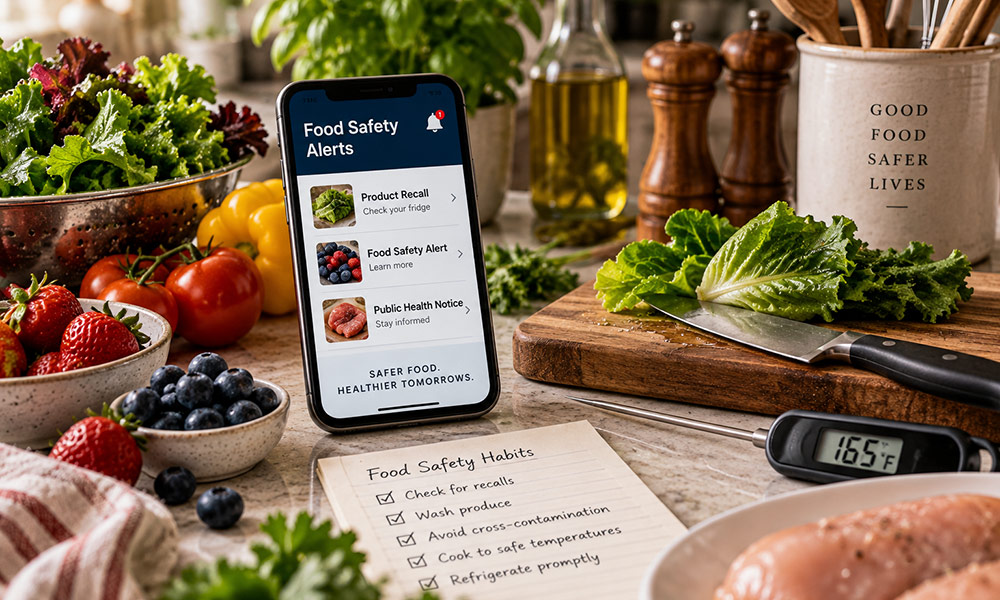
Food safety alerts can feel alarming, especially when they involve familiar foods like bagged salad, deli meats, frozen fruit, spices, or ready-to-eat meals. Yet these notices are also useful reminders that safe eating is not just a concern for restaurants and food companies. The choices we make at the grocery store, in the kitchen, and at the dinner table can lower the risk of foodborne illness and help us respond calmly when a warning affects something in our homes.
Recent alerts have highlighted how quickly contamination concerns can emerge across products that look perfectly normal. Consumers who want to understand outbreak notices often look for information on Cyclospora, Salmonella, Listeria, E. coli, and other hazards linked to produce, meat, dairy, and packaged foods. The main lesson is practical: assume that safety depends on both the systems that produce food and the everyday habits that keep it safe after purchase.
Check Alerts Before You Eat
One of the simplest habits is staying aware of recalls and safety warnings. The U.S. Food and Drug Administration, the U.S. Department of Agriculture, and the Centers for Disease Control and Prevention regularly publish updates about contaminated or mislabeled products. These alerts often include brand names, package sizes, lot codes, expiration dates, and where the item was sold.
When an alert appears, do not rely on memory alone. Check the package carefully. Many recalls apply only to specific batches, not every product from a brand. If you cannot confirm whether your food is affected, the safest choice is to throw it away or return it to the store.
Treat Fresh Foods With Respect
Many people assume processed foods are the main risk, but fresh foods are often involved in alerts. Leafy greens, berries, sprouts, onions, melons, and herbs can become contaminated in fields, during washing, while being transported, or in home kitchens.
Rinsing produce under running water helps remove dirt and some germs, though it cannot guarantee complete safety. Avoid using soap or bleach on food. Cut away damaged or bruised areas, where bacteria can grow more easily. Keep fruits and vegetables separate from raw meat, poultry, seafood, and eggs in your cart, refrigerator, and prep area.
Temperature Matters More Than We Think
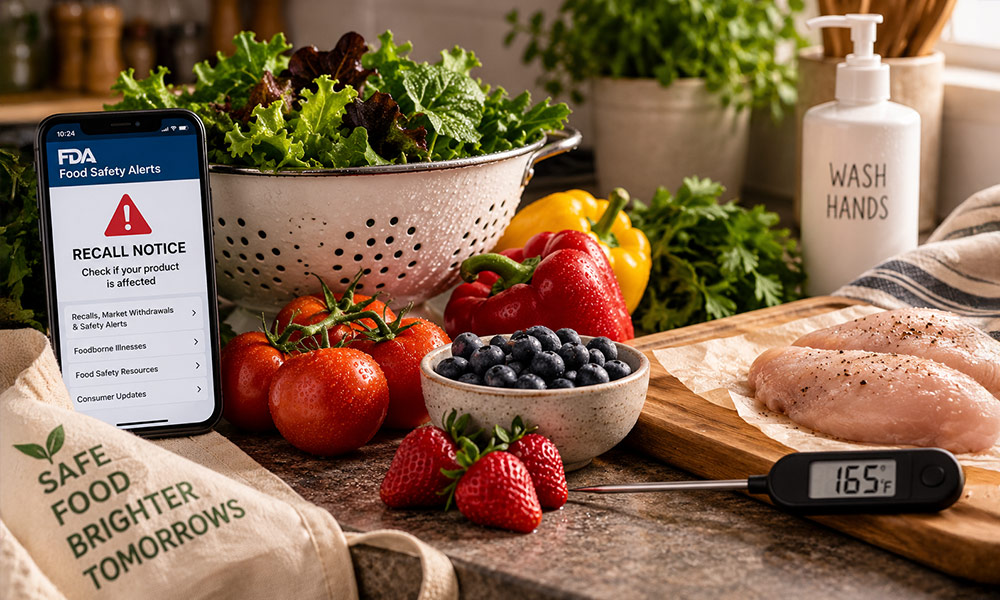
Recent alerts also remind us that germs grow quickly when food is in the “danger zone,” between 40°F and 140°F. Refrigerate perishable foods within two hours, or within one hour if the temperature is above 90°F. Keep your refrigerator at 40°F or below and your freezer at 0°F, and be particularly careful in summer.
Use a food thermometer for meat, poultry, fish, and leftovers. Color and texture are not reliable signs of safety. Chicken should reach 165°F, ground meats should reach 160°F, and leftovers should be reheated to 165°F. These small steps can prevent illness, especially for children, older adults, pregnant people, and those with weakened immune systems.
Prevent Cross-Contamination
Cross-contamination is one of the easiest mistakes to make. A cutting board used for raw chicken can spread bacteria to salad ingredients. Don’t reuse a plate that held raw burgers for cooked burgers unless you wash it first. Even a kitchen towel can transfer germs from hands to counters to food.

Use separate cutting boards when possible. Wash knives, counters, and hands with hot, soapy water after handling raw animal products. Replace sponges often or sanitize them regularly. Clean does not have to mean complicated; it means being consistent.
Read Labels and Storage Instructions
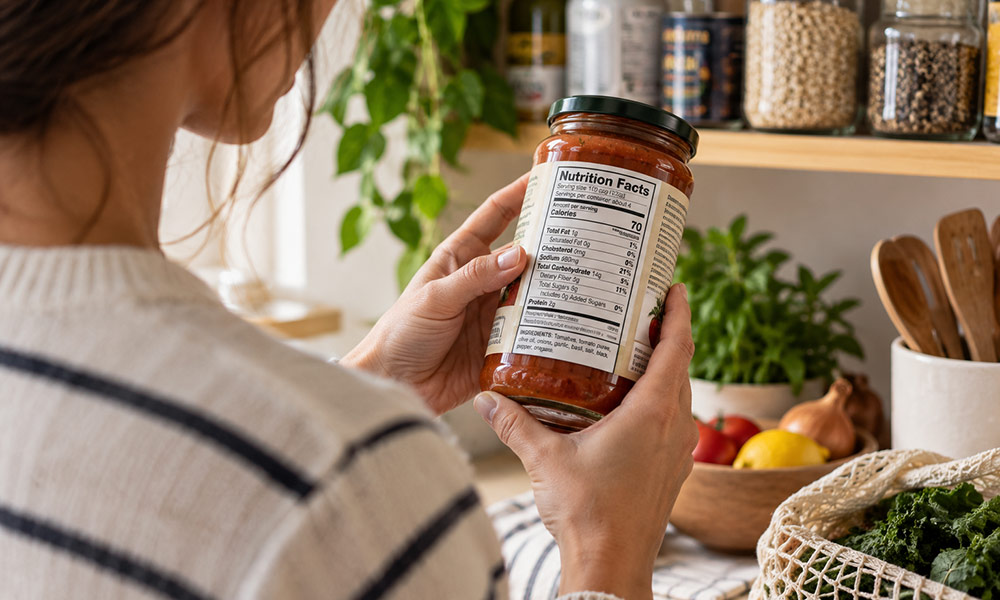
Food safety alerts sometimes involve allergens or products stored at the wrong temperature. Labels tell you whether an item must be refrigerated, how soon to use it after opening, and whether it contains common allergens such as milk, eggs, peanuts, tree nuts, soy, wheat, fish, or shellfish.
Do not ignore “keep refrigerated” or “use by” instructions. While some dates relate to quality, highly perishable foods deserve caution. When in doubt, throw it out – especially if the food smells odd, has changed texture, or has been left out too long.
Build Safer Everyday Routines
The biggest takeaway from recent food safety alerts is not fear. It is preparation. Wash hands before cooking, separate raw and ready-to-eat foods, cook to safe temperatures, chill promptly, and pay attention to recalls. These habits are simple, affordable, and effective.
Food safety begins long before food reaches our kitchens, but it does not end there. By treating alerts as learning opportunities, we can make everyday eating safer without making it stressful.


