
South African summers are glorious until you’re standing in a sweltering kitchen watching your butter pool into liquid or discovering yesterday’s leftovers have turned suspect. Bouts of intense heat create the perfect storm for food spoilage, making summer food safety less about following rules and more about protecting your family’s health, and your grocery budget. Have a read through these kitchen food safety tips and keep your space cool and safe.
The Danger Zone
Food safety experts talk about the “danger zone” – temperatures between 5 °C and 60 °C where bacteria multiply rapidly. In a South African summer, room temperature often sits squarely in this danger zone. The golden rule? Never leave perishable food out for more than two hours, and when temperatures soar above 32 °C, reduce that window to just one hour. This includes everything from dairy and eggs to cooked rice and cut fruit.
Strategic Refrigeration for Food Safety
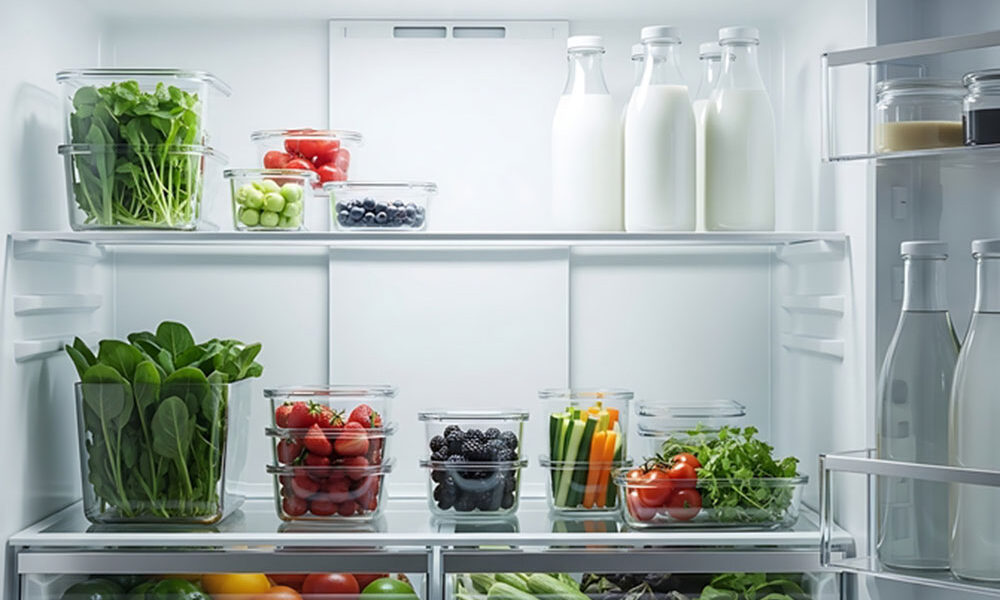
Your fridge is working overtime in summer, so give it a fighting chance. Strike a balance – don’t cram it so full that air can’t circulate between items, but don’t leave it nearly empty either. A moderately full fridge (around three-quarters capacity) maintains temperature best, as the cold items help keep each other cool. If you have significant empty space, add bottles of water to fill the gaps.
Resist the urge to peek inside – every opening releases precious cold air (and we promise, a cheesecake didn’t suddenly materialise since the last time you checked).

Cook Smart
Summer isn’t the season for marathon cooking sessions that heat up your kitchen and leave food sitting out whilst you prep multiple dishes. Embrace lighter, quicker meals that spend minimal time at room temperature.
Salads, cold soups, and no-cook dinners are your friends. When you do cook, work in batches and refrigerate components immediately rather than leaving everything out while you finish.
Check out our collection of delicious salad recipes.
Storage Solutions for Food Safety
Invest in quality airtight containers and get religious about proper storage. Raw meat should live on the bottom shelf of your fridge to prevent drips contaminating other foods.
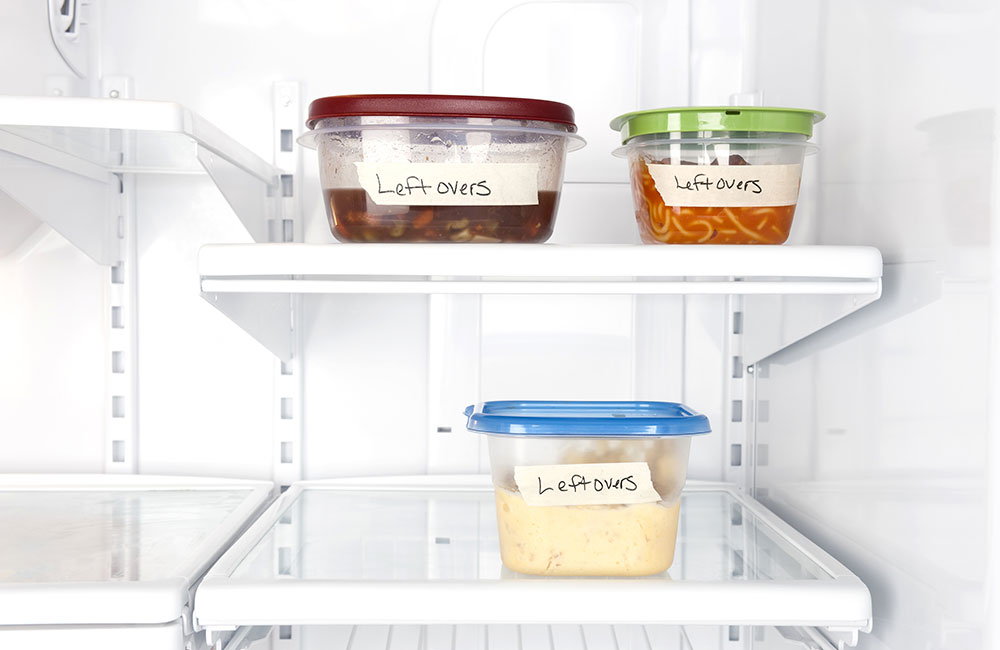
Cool cooked foods quickly by dividing large portions into smaller containers – a whole pot of soup takes hours to cool down, creating ideal conditions for bacterial growth. Date your leftovers and adopt a strict three-day rule for consumption.
Trust Your Senses
When in doubt, throw it out. That slightly off smell or questionable texture isn’t worth the risk of food poisoning. Summer’s heat accelerates spoilage, so be more cautious than usual. Your nose and eyes are excellent food safety tools – use them!


