
Not long ago, oil was just oil – something you reached for to cook a batch of potatoes or slick a pan for grilling meat. But these days, it’s the subject of heated debate, with one question in particular cropping up more often than ever: are seed oils bad for you?
It’s about the bigger picture – how much you’re consuming, what form it’s in, and what’s happening in your lifestyle.
Once praised for being heart-healthy and affordable, seed oils are now under scrutiny. To make matters more confusing, terms like plant oil, seed oil and vegetable oil are often used interchangeably, but they’re not all the same. Add in a flood of nutrition advice, and it’s no wonder people feel unsure about what to cook with. Let’s start with the basics.
What’s the Difference Between Plant, Seed and Vegetable Oils?
Plant oil is the umbrella term. It refers to any oil extracted from plants, whether from seeds, fruits, nuts or grains. This includes olive oil (fruit), avocado oil (fruit), coconut oil (fruit), almond oil (nut) and all seed oils. These are used across the board for dressings, sautéing, frying, baking and even skincare. In essence, both seed oils and vegetable oils fall under the broader category of plant oils.
Seed oils are specifically made by pressing oil from the seeds of plants. Examples include sunflower oil, canola (rapeseed) oil, soybean oil, cottonseed oil, grapeseed oil and sesame oil. They tend to be light in flavour and colour, and are commonly used for frying, roasting and baking thanks to their high smoke point and affordability.
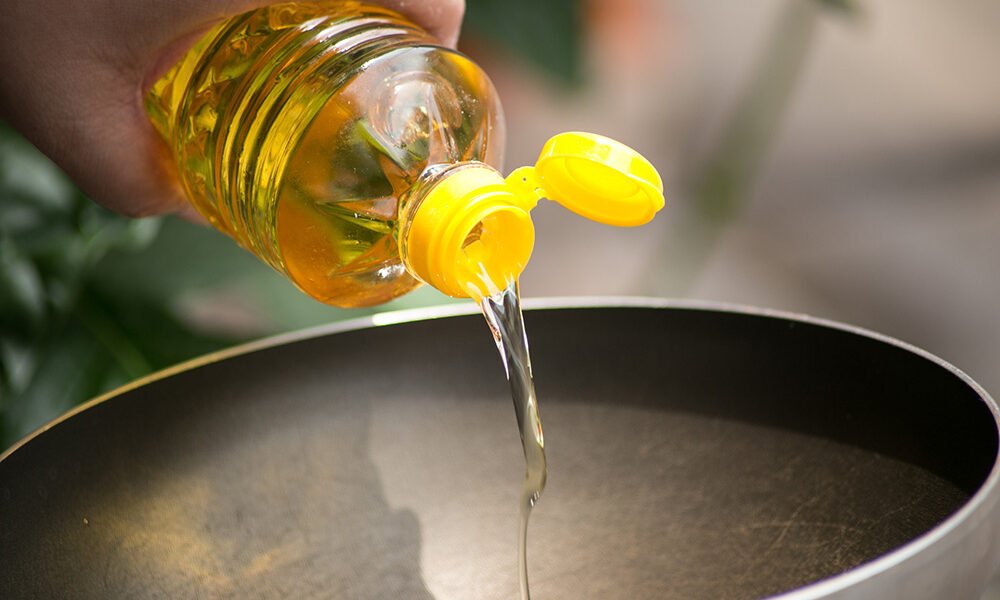
Vegetable oil is more of a marketing term than a botanical one. Vegetable oils include soybean, canola or sunflower, and their composition can vary between brands. It’s the neutral oil you’ll find in large plastic bottles on grocery store shelves, widely used in processed foods, margarine, condiments, takeaways and home cooking. It typically refers to a blend of refined seed oils, designed to be versatile and inexpensive.
So while all vegetable oils are technically made from plants (and usually seeds), not all seed oils are sold as ‘vegetable oil.’ The key difference is that seed oils refer to specific single-origin oils, while vegetable oil is usually a blended product with less transparency about its exact contents.
But Are Seed Oils Bad For You?
Here’s where things get murky. The question has become increasingly common, especially as health-conscious eaters grow more wary of what goes into their food. Once promoted as a heart-healthy alternative to butter and lard, seed oils are now under fire for being ultra-processed, high in omega-6 fats and potentially inflammatory. But is that concern justified when considering contributing factors?
Processing and Refinement
Most commercial seed oils are made using an industrial process. The oil is extracted from seeds using high heat and chemical solvents (like hexane), then refined, bleached and deodorised to create a neutral, shelf-stable product.
Critics argue that this processing may damage the oil, strip away nutrients and lead to the formation of potentially harmful byproducts, especially when the oil is reheated during cooking. That said, the levels of these compounds found in food-grade oils are extremely low and current research doesn’t suggest they pose a significant risk in everyday use.
If you’re concerned about this aspect, cold-pressed or expeller-pressed oils like olive, coconut and avocado oil are less refined and avoid solvent extraction, offering a more natural option.

Omega-6 Fatty Acids and Inflammation
Another concern in the big debate is their omega-6 content. Seed oils are rich in polyunsaturated fats, particularly linoleic acid, an omega-6 fatty acid essential for human health.
The issue? The modern diet tends to skew heavily towards omega-6s and lacks enough omega-3s (found in oily fish, flaxseeds and chia). An imbalance between the two may contribute to chronic low-grade inflammation, which has been linked to various health issues.
However, context matters. Omega-6s on their own are not inflammatory – in fact, they play crucial roles in brain function, hormone regulation and cell structure. The problem is not seed oils themselves, but the sheer quantity of them in many processed foods, combined with a lack of omega-3s to offset the balance.
Oxidation and Cooking Stability
Some seed oils are prone to oxidation, especially when exposed to heat, light or air. Oxidised oils can become rancid and may produce compounds that contribute to oxidative stress in the body. But this tends to happen when oils are overheated or stored improperly, not when used in home cooking.
High-oleic versions of sunflower and canola oil have been bred for greater heat stability, making them less likely to oxidise. These are increasingly used in food manufacturing and are available for home use too.
So, Are Seed Oils Bad for You?
The honest answer? It really depends. If your diet is packed with ultra-processed foods cooked in low-quality refined oils and you’re not getting enough omega-3s, then yes, seed oils could contribute to an inflammatory environment in your body. But if you eat mostly whole foods, use a variety of fats and choose higher-quality oils when you can, then there’s no reason to fear them.
Most nutrition experts agree that seed oils aren’t inherently harmful. Like anything, it’s about the bigger picture – how much you’re consuming, what form it’s in, and what else is happening in your diet and lifestyle. But it doesn’t hurt to follow healthier practices.
Use Better-quality Oils
Cold-pressed or expeller-pressed versions retain more nutrients and avoid chemical solvents.
Rotate Your Oils
Don’t rely on just one. Mix in extra virgin olive oil, avocado oil, butter or ghee, depending on the dish. Here’s why you should start cooking with ghee.
Keep it Balanced
Prioritise omega-3-rich foods to support anti-inflammatory pathways in the body.
Avoid Overdoing Ultra-processed Foods
These are usually where excessive seed oil consumption becomes a real problem.
Seed oils aren’t miracle ingredients, but they’re not toxins either. The truth lies somewhere in between. Used mindfully and in moderation, seed oils can be part of a healthy, balanced diet.
Want more? Discover what an oil’s smoke point is and why it matters.


