
From August 21 to 23, leading South African and international musicians, young performers and artists will converge on Prince Albert for a weekend of concerts and community celebration at the Kaleidoscope Music & Arts Festival. More than a creative get-together in the beautiful Karoo, the event is built on a firm vision to change the lives of young people, especially in this rural community.
This year, the festival will involve acclaimed performers and artists, as well as more than 220 young musicians through performances, workshops and side-by-side collaborations.
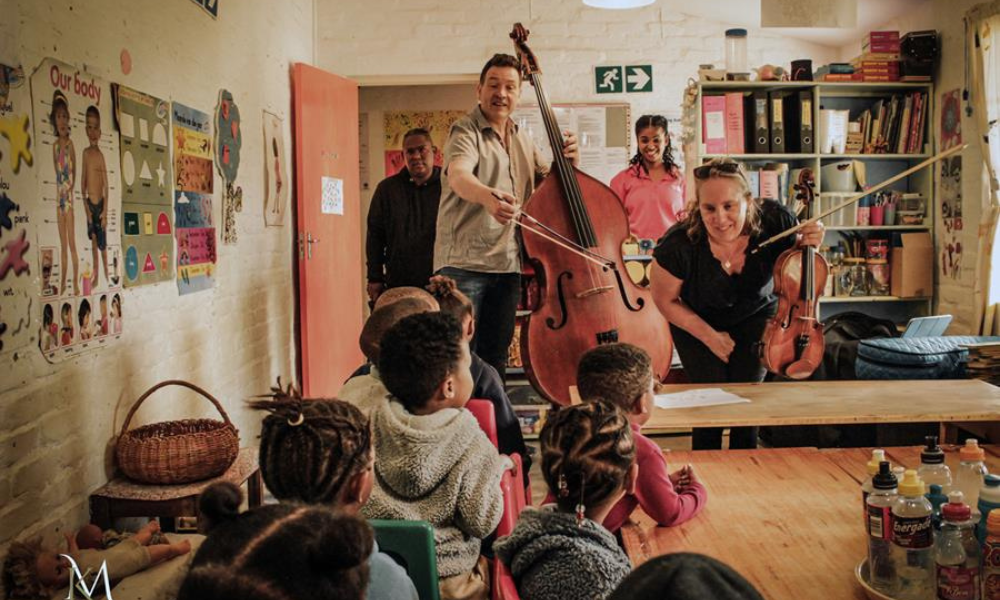
Kaleidoscope was founded by violist Dr Louise Lansdown, but running it has always taken a team – organisers, teachers, musicians, volunteers and local partners who deliver both the festival and the ARCO-PACT Strings Project, which teaches violin, viola, cello and double bass to more than 100 children in Prince Albert schools. Ask any of them why they do it, and the answer tends to come back to the same thing: what happens to a child once they start playing.
Programme highlights include performances by the Gqeberha Trio with David Bester, guest violinist Lieva Starker and more.
Dr Lansdown puts it simply. “I know what music gave me growing up in South Africa. It gave me confidence, purpose, lifelong friendships and opportunities that changed the course of my life. Every child deserves the chance to discover that for themselves.”
Prince Albert has become something of a darling among out-of-towners, many of whom visit for its quintessential Karoo charm and end up staying for good. But behind that draw card sits a more familiar rural South African story.
Like many small towns in the region, Prince Albert has long struggled with low school retention rates, driven largely by unemployment and poverty in the surrounding community. It’s here that Kaleidoscope’s vision really comes into focus.
The festival and the ARCO-PACT Strings Project aren’t just about a weekend of concerts or a music lesson after school – they’re an attempt to give children a reason to stay engaged, in a town where staying engaged isn’t guaranteed. If it works in Prince Albert, the organisers believe, there’s no reason a similar model couldn’t work in other small towns facing the same pressures.
What the Team Is Seeing
Teachers and parents involved with ARCO-PACT describe children arriving for their first lesson shy, unsure, barely speaking to the group around them, and then, months later, standing on stage and performing with confidence. Many of these children are hearing live professional music for the first time, or sharing a stage with professional musicians for the first time. Teachers say they’re becoming more willing to work together, more engaged in class, more willing to try.
The team hasn’t just relied on impressions. Working with independent researchers, they’ve been tracking attendance, retention and musical progress, and talking to learners, parents and teachers along the way. So far the research points to growing confidence, stronger friendships and a real sense of belonging among the children taking part.
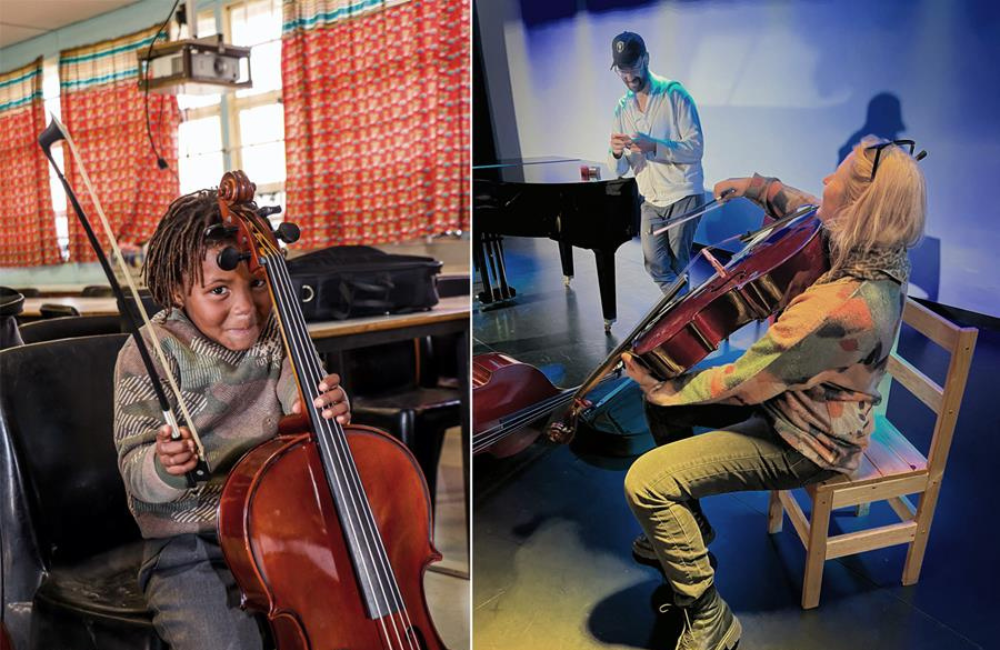
One moment from the 2025 festival has stuck with the whole team. The Cape Town Philharmonic Youth Orchestra brought a string quartet and brass quintet to Prince Albert to play alongside ARCO-PACT’s beginner string players – a big gap in experience on paper, but it barely showed once they started playing together.
“The older musicians welcomed the younger children with remarkable warmth and generosity,” Dr Lansdown recalls. “It wasn’t about technical perfection. It was about making music together.” By the end of the concert, nobody was thinking in terms of hosts and visitors, or advanced players and beginners.
The Hard Parts
None of this has come easily. Fundraising has been the biggest struggle, and this year was particularly tough – expected grant funding fell through, and the team had to cut back the programme and rework what they could realistically deliver.
Running things across two countries hasn’t made it simpler either. Dr Lansdown directs the festival and ARCO-PACT from the UK, travelling to South Africa as often as she can, while a team on the ground in Prince Albert carries much of the day-to-day work. “There’s no substitute for being there every day,” she says.
What’s kept the festival going, the team says, is Prince Albert itself. Accommodation providers have hosted visiting artists for free. Venues have waived their hire fees. Volunteers have been generous. “It reminds me that Kaleidoscope isn’t something we’ve brought to Prince Albert – it’s something the community has embraced and helped to build,” Dr Lansdown says, and it’s a view shared by everyone involved in putting the festival together.
Where They Want This to Go
The team’s hope is that in five years, Kaleidoscope is known as one of South Africa’s most distinctive rural arts festivals – not just for the standard of the performances, but for what it opens up for children who wouldn’t otherwise get near a stage. Some of today’s beginner string players, they hope, will come back as young performers, mentors and leaders for the next intake.
“Where a child grows up should never determine the opportunities they have,” Dr Lansdown says. “We want every young person, wherever they come from, to experience the joy of music, to discover what they’re capable of, and to know that their talent matters.”
About the Kaleidoscope Music & Arts Festival
The Kaleidoscope Music & Arts Festival runs in Prince Albert, in the Western Cape’s Karoo region, from 21 to 23 August 2026. Founded by violist Dr Louise Lansdown and run by a wider team of organisers, educators and community partners, the festival is now in its second year. It brings together leading South African and international musicians, young performers and artists for a weekend of concerts and collaboration, and directly supports the ARCO-PACT Strings Project’s music education work in Prince Albert schools.
Highlights of the 2026 programme include performances by the acclaimed Gqeberha Trio with David Bester, Jan-Hendrik Harley, Mariechen Meyer and guest violinist Lieva Starker, alongside a wide range of South African artists and ensembles, most notably young musicians from Grey College High School, Frank Pietersen Music Centre and Rustenburg Girls High School.
The full programme and booking information are available at Quicket.
For more information visit Kaleidoscope Festival or send an email. Follow the festival on Instagram and Facebook.


