
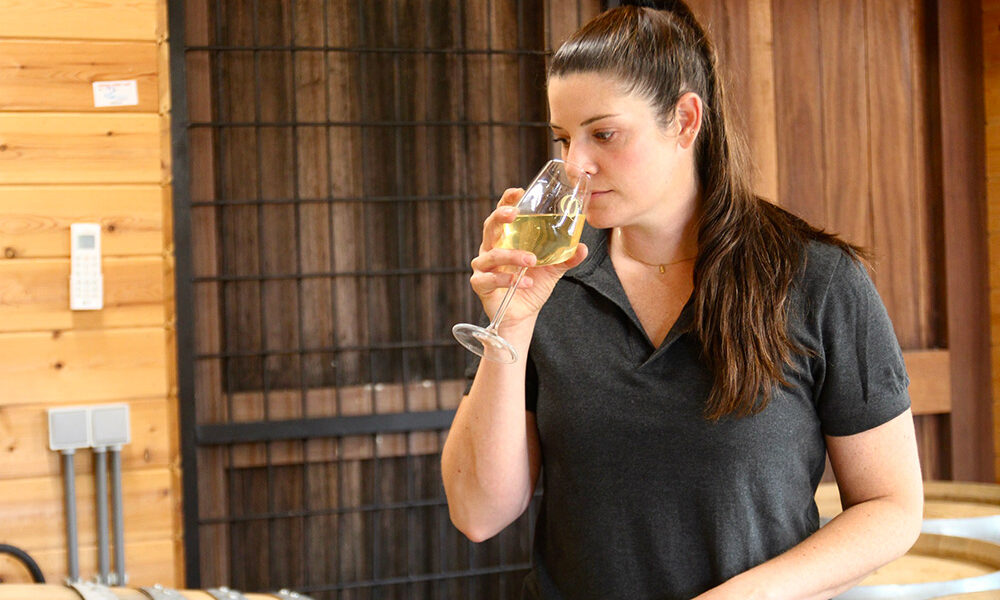
For South African winemaker Kaylee Sevenhans, moving to Belgium was not simply a matter of acclimating to the culture; it meant embracing the unrelenting weather and the hardy grape vines that grow at Oud Conynsbergh Wine Estate. Now, with years of harvests behind her, she has found her rhythm and adapted to the ancient terroir, rich with limestone soil and marine fossils, shaping the structured wines the Boechout estate is known for. We chat with Sevenhans about skipping Stellenbosch for an adventurous career abroad, how her conservation ecology experience influences her winemaking approach and what makes Auxerrois a standout varietal.
What inspired you to pursue winemaking?
It started with a love of chemistry. I was fascinated by how grape juice could be transformed into a final product that could be so complex and expressive. After completing my BSc honours degree in conservation ecology and entomology at Stellenbosch University, I knew I wanted to work with nature in a way that was both sustainable and creative. Later in life, I would learn that oenology and viticulture offered the perfect combination of science, farming and art.
My brother, Clint van Heerden, who is also involved in the wine scene, actually suggested I look into winemaking. After a gap year in the Netherlands, I enrolled at Elsenburg Agricultural Training Institute and was hooked after the first oenology lecture. The mix of insight, attention to detail and connection just felt right.
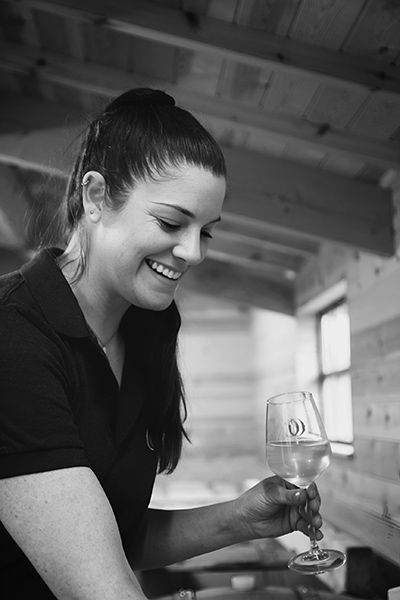

Belgium isn’t the first place most people think of for wine. How did you end up there?
It’s true! Many are still surprised to learn that Belgium has a thriving wine scene, but the tradition of vinification actually goes back centuries. The obstacle is that Belgian wine is overshadowed by the country’s beer culture and the neighbouring wine giants of France, Germany and Spain. The Flanders region is comparable to regions like Champagne, and varieties like Chardonnay and Pinot Noir are thriving, allowing us to produce top-quality sparkling wines that rival Champagne.
As for how I ended up here, that’s a love story. I met my now husband in Namibia in 2016, when I was working for an elephant conservation project and he was volunteering with his Dad. Fast forward to 2023, and after months of paperwork, I moved to Antwerp to be with him. It has been a leap into the unknown. But my journey into the Belgian wine industry has been shaped by a sense of adventure, much like many decisions in my life. The Belgian wine scene is small but fast growing, and it is exciting to be part of shaping its future.
What was your first impression of the wine scene compared to South Africa’s?
To be honest, like many, I think my first reaction was ‘Does Belgium even make wine?’ Comparing Stellenbosch with its expansive vineyards and long-established wine estates, the Belgian scene almost felt underground. However, it just needed a bit of digging. There are now over 200 vineyards and wineries across the Flanders and Wallonia regions, and the vineyard area is increasing each year.
That said, the vibe here is very different! In South Africa, there is a strong sense of community among most producers. In Belgium, the market is more competitive, and it feels more reserved, even a bit guarded. Gaining access to supplies or speedy analysis results is also tricky, as most of these products and services are outsourced from neighbouring countries, so you need to have a lot of foresight and creativity to make it work with what is available. But the potential here is huge! The soils, the microclimates and the wild yeasts are unlike anything I have worked with before. The wines’ identities are young, but that’s the magic; we are shaping and refining what Belgian wine can be.
How has adapting to different climates and terroirs influenced your winemaking approach?
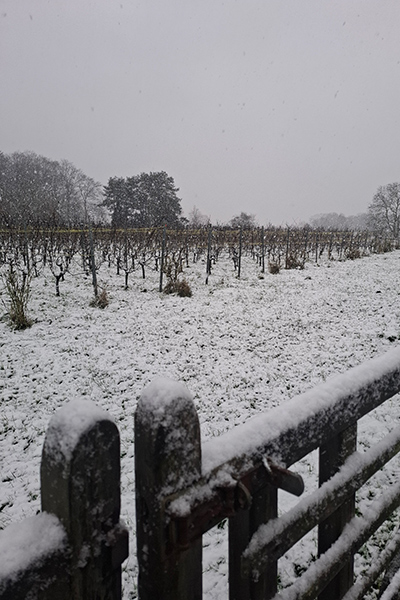
There is a major shift from Stellenbosch to Antwerp, not just in climate but also in mindset. In South Africa, sunshine is normally abundant, and so, ripeness comes naturally. The growing season is reliable, and you can plan with confidence, but here, every season keeps you on your toes. We are constantly adjusting to the weather, so you learn to be more reactive and flexible, and really listen to the vineyard when it comes to harvest planning.
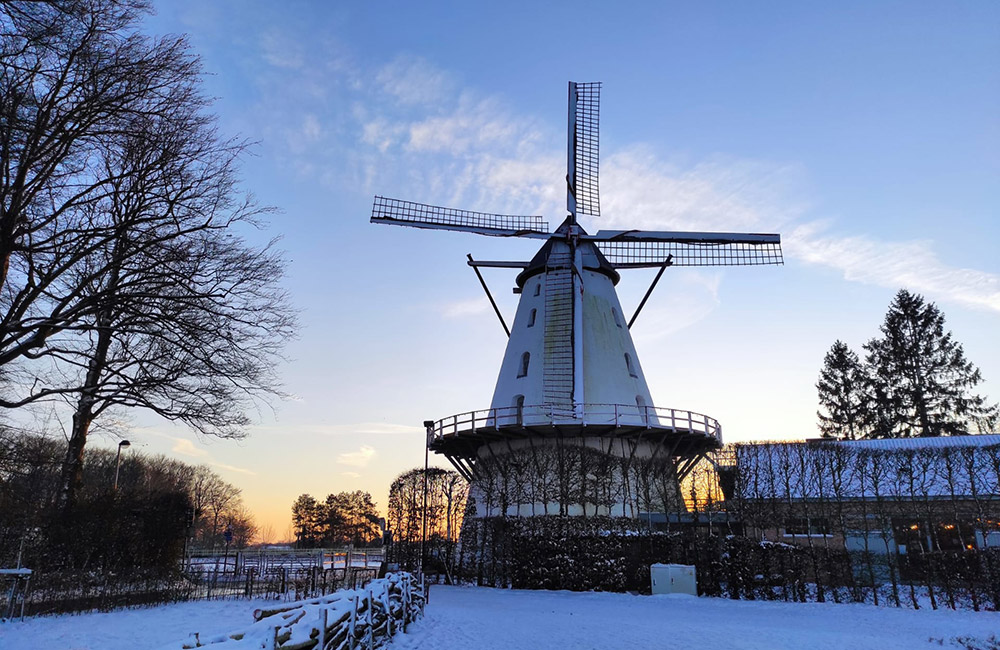
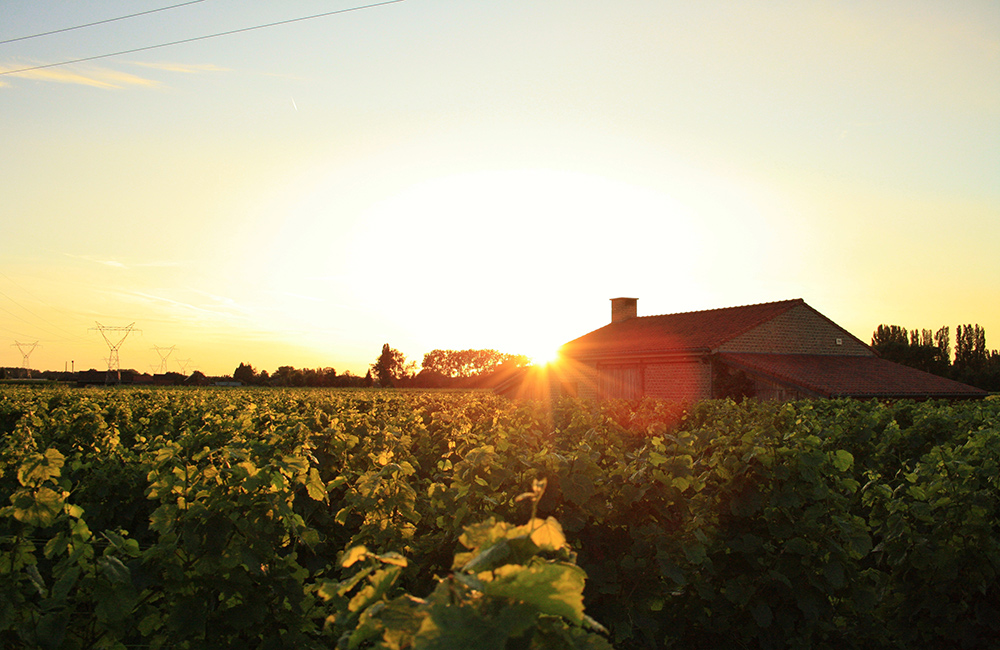
Belgium’s terroir is rich. Our five vineyards are planted in areas that have pockets of ancient sand and limestone soils, full of marine fossils. This piece of history gives our wines a great structure and mineral edge. The cooler weather conditions preserve the floral and fruit notes and high acidity, ideal for white and sparkling wines.
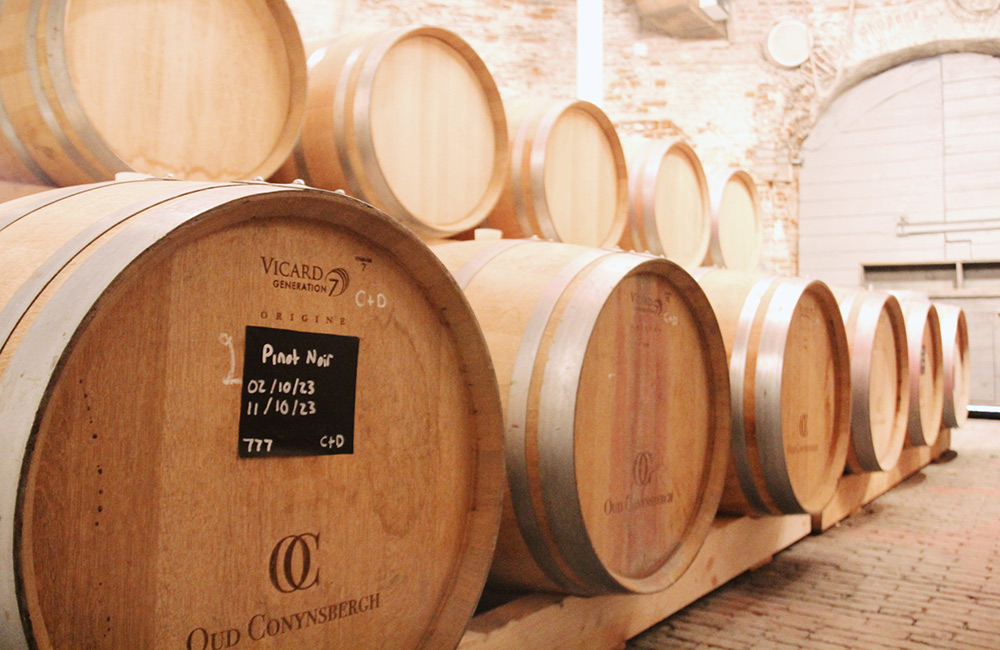
The level of involvement in Belgian wineries is unmatched; every process involves a lot more hands. Our team is small – just three of us working full-time in the 15-hectare field and the cellar. Being involved in the growing season, from winter pruning to harvest, allows me to make harvest decisions that reflect the true essence of the vintage. I’ve learned to interfere less, trust the process of natural fermentations and embrace the uniqueness of each vintage.
What’s been your favourite varietal to work with at Oud Conynsbergh Estate?
Auxerrois is the real standout varietal for me. It is a variety that is not well known in South Africa, but in the cooler Belgian climate, it really thrives. Auxerrois originates from the Alsace and Lorraine regions of France, and is a close relative of Chardonnay and Pinot Blanc. It is naturally lower in acidity, which translates into a softer, more approachable wine. With our cooler temperatures and limestone-rich soils, we are able to preserve freshness while building texture and weight during fermentation and maturation in different woods. With this versatile variety, the opportunities are endless.
Are there any wines you’ve produced that stand out as proud moments for you?
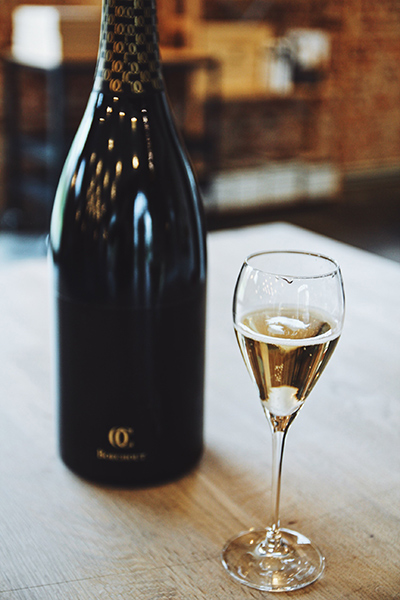
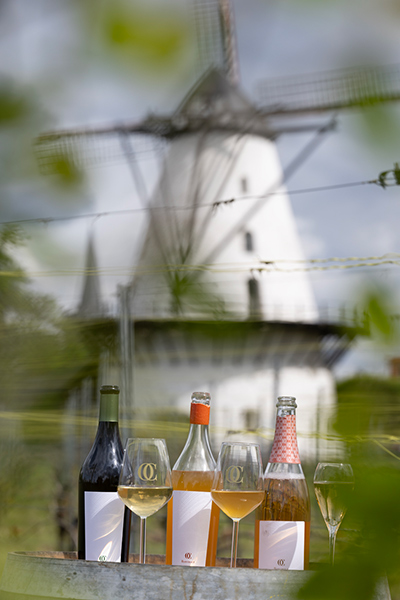
The four sparkling wines from the 2023 vintage – the first of which has just been disgorged and will be released later this year. Sparkling wine production was always a bit intimidating; it is such a meticulous process with a level of mystery to it. You prep the ‘liqueur de tirage,’ fill the bottles, and then you wait – hoping that the pressure builds, the bubbles are fine and persistent and that the end product is balanced and expressive. There are no shortcuts; you have to trust your gut and the process. Seeing our Parel Rosé resting on the pupitres with a glowing onion skin hue and then hearing the first pop during disgorgement was a moment of extreme relief and excitement.
With conservation ecology experience, what sustainable practices do you carry out?
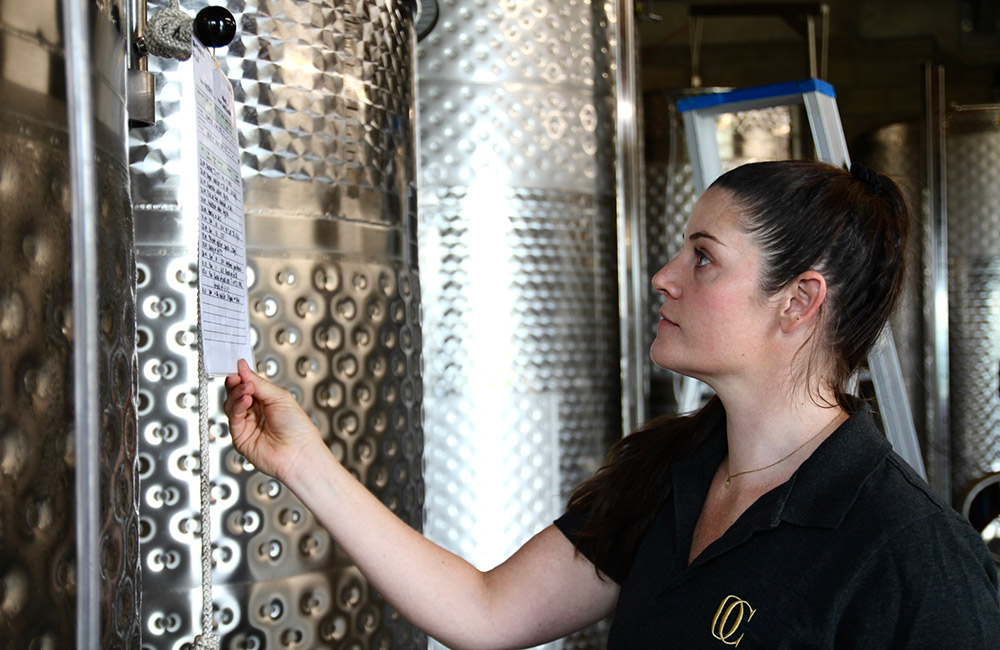
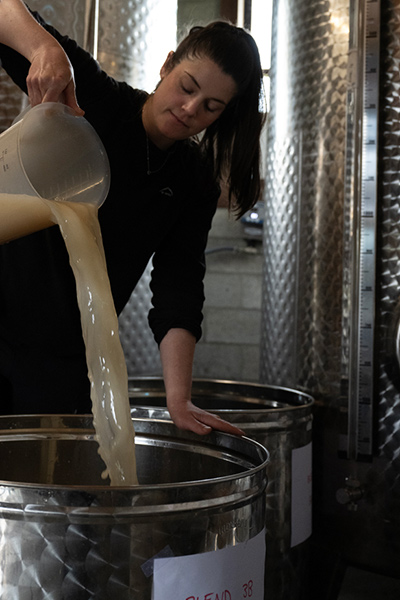
We aim to work alongside nature rather than trying to control it. To do this, we only use organic products in the fields and include biodynamic preparations where possible. To control vineyard pests, we rely on natural predators, insect traps and deterrents like the clay spray used against the Japanese fruit fly, one of our biggest threats during veraison. We do a lot of handwork in the field, limiting our reliance on machinery. In the cellar, it is much the same. It is all about minimal intervention – spontaneous fermentation, low sulphur and hand processes like punch downs and riddling. An extra step we have taken is to use the pomace from the press during harvest. These skins, residual juice and sugars are fermented and distilled to create our Grappa.
Favourite food and wine pairings?
The proud South African in me has to admit that you will never beat a piece of steak on the braai with a bold local red. But one of my more recent favourites is simple, frietjes and a glass of sparkling wine. The saltiness and the crunch of the fries with the freshness and acidity of the bubbles are just perfect. It’s proof that great pairings don’t need to be fancy; sometimes the best ones come wrapped in paper with a dollop of mayo.
South African snacks you can’t go without?
Biltong, probably like every other South African expat. Bovril, a breakfast staple in our house. And rusks – there is nothing like an ‘Ouma’ and a cup of coffee to get through the rainy months in Belgium.
Winemaking trends that excite you?
The rise of lower ABV [alcohol by volume] wines is something quite interesting, especially coming from a region that often battles with high sugar and consequent alcohol levels. There is a continuous nudge towards organic and sustainable farming, which will bring out positives from the wine industry and the land. Finally, the exploration of lesser-known grape varieties allows for more expressive and site-driven wines. All of these trends can open up some exciting possibilities for regions like Belgium.

Any advice for young South African winemakers considering a career abroad?
Be adaptable and open-minded; every wine region has its own rhythm, culture and challenges. Working abroad pushes you out of your bubble; you learn new techniques and see wine from a completely new perspective. Listen to the advice from friends, lecturers or colleagues, but don’t let others’ opinions hold too much weight or steer you off course. Say yes to the adventure!
What’s next? Do you have any winemaking experiments or collabs on the horizon?
The next vintage is on the horizon, and we have some exciting things lined up. With a good start to the season, we are hoping to produce our second orange wine from a field blend of white varieties. We also plan to produce a red Pinot Noir and experiment with a small batch of still Gamay. We will also be playing with our sparkling wine range, always tweaking and refining to elevate our style.
Keep up with Kaylee and Oud Conynsbergh at the links below.


