

Casual fashion was once reserved for pottering around on a Saturday, backyard barbecues, and lazy Sundays. Today, it has moved far beyond off-duty dressing to become the foundation of how many people build their wardrobes.
The shift reflects a broader desire for clothes that support real life rather than restrict it. From soft denim and oversized sweaters to leggings, hoodies, and SKIMS sweatpants, modern casual pieces are designed to feel comfortable while still looking relatively put-together.
The Rise of Comfort Culture
One of the biggest reasons casual fashion became so dominant is the growing importance of comfort. In previous generations, dressing well often meant wearing structured garments, polished shoes, and tailored silhouettes, even in everyday settings. While those pieces still have their place, many people now prioritize ease of movement and all-day wearability.
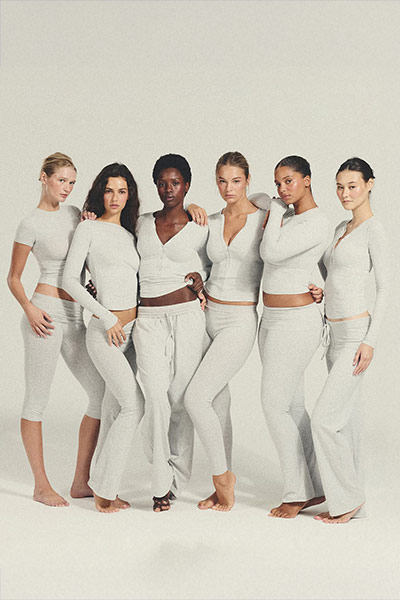
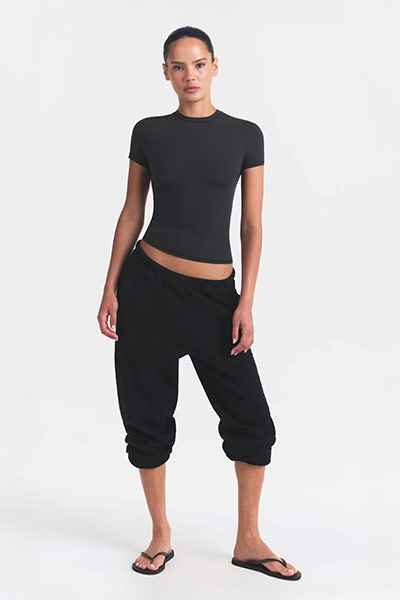
The rise of remote work accelerated this change. As homes became offices, people began reaching for clothing that could transition from a video call to school pickup to an evening walk. The result was a new appreciation for relaxed staples that still appear put-together.
Comfort no longer means careless. Modern consumers expect casual clothing to be stylish, durable, and flattering. Brands have responded with elevated basics, premium fabrics, and cleaner cuts that make simple garments feel more refined.
Streetwear Changed the Rules
Streetwear played a major role in making casual fashion aspirational. What began with skate, hip-hop, and sneaker culture eventually influenced luxury runways and mainstream retail. Hoodies, graphic tees, cargo pants, and sneakers became more than practical items; they became symbols of identity and cultural awareness.
Designers began collaborating with athletic and streetwear brands, blurring the line between casual and high fashion. Limited-edition sneakers and logo sweatshirts gained the kind of status once reserved for handbags or tailored coats.
This shift made casual dressing feel expressive. Instead of signaling a lack of effort, casual outfits could communicate taste, creativity, and belonging.
Athleisure Became a Lifestyle
Athleisure also helped redefine the modern wardrobe. Yoga pants, performance jackets, and breathable tops moved from the gym into daily life because they matched the pace of contemporary schedules. People wanted clothing that worked for commuting, exercising, traveling, and relaxing.
The appeal of athleisure lies in its versatility. A sleek pair of leggings can be styled with a blazer, while a zip-up jacket can work with jeans or joggers. These combinations reflect how people actually live: moving between roles and environments throughout the day.
As wellness culture grew, athletic-inspired clothing became associated with energy, balance, and self-care. Wearing casual activewear suggested not only comfort but also a lifestyle centered on health and flexibility.
Changing Workplace Expectations
The office has also become more casual over time. Even before remote work became widespread, many companies had already relaxed their dress codes. Creative industries, tech startups, and hybrid workplaces helped normalize jeans, sneakers, and knitwear in professional environments – partly as a response to increasing burnout, and partly simply because societal values have changed. We no longer associate sartorial discomfort with professionalism to the same extent that we once did.
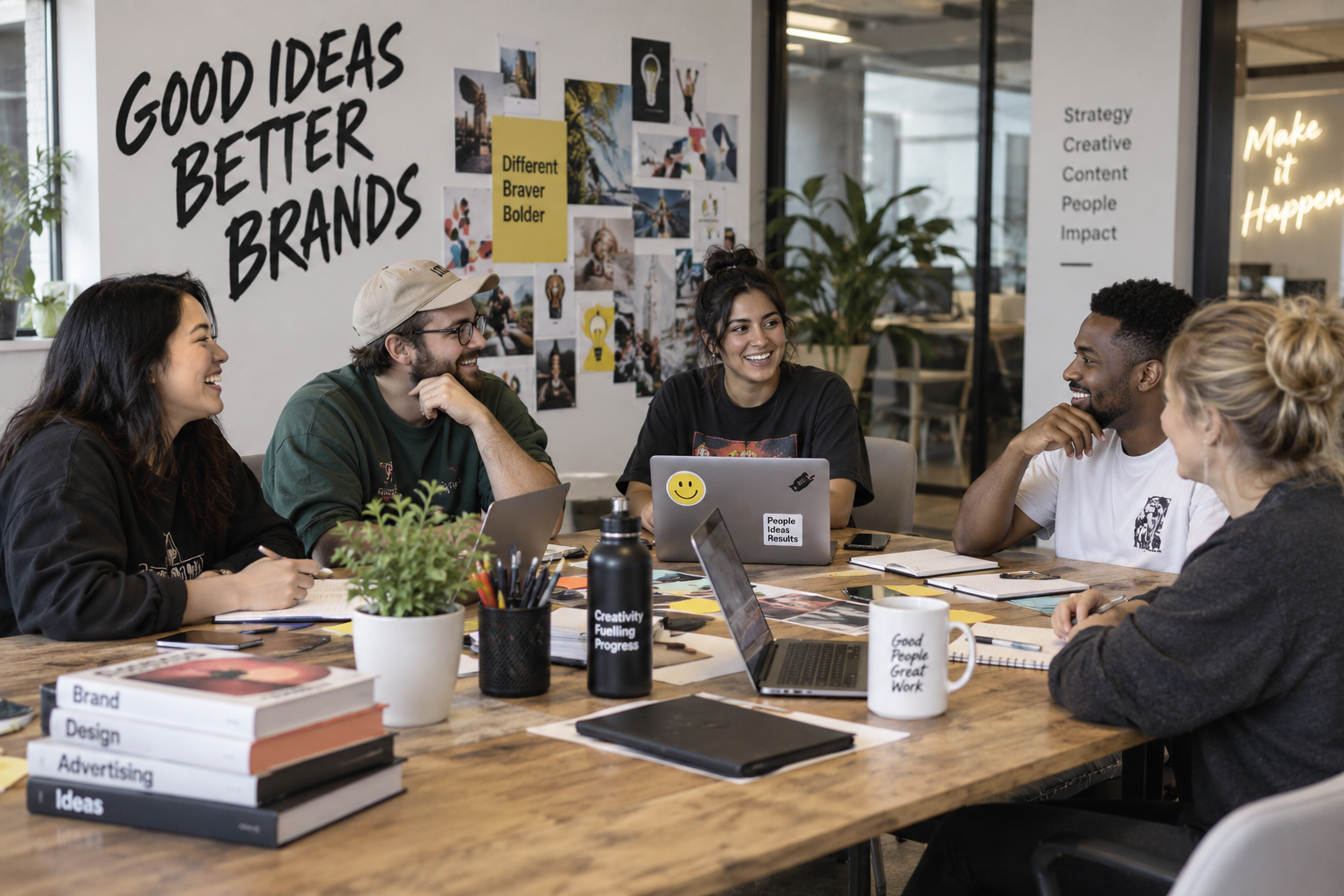
Business casual evolved into something softer and more personal. Instead of a strict uniform, workers gained more freedom to mix tailored pieces with relaxed ones. A blazer over a T-shirt, loafers with cropped pants, or clean sneakers with a dress became acceptable in many offices.
This change reflects a larger cultural move away from formality as the primary marker of professionalism. Today, confidence, competence, and authenticity often matter more than wearing a traditional suit.
Social Media and Personal Style
Social media has made casual fashion more visible and influential. Platforms like Instagram, TikTok, and Pinterest allow users to discover outfit ideas built around everyday staples. A simple sweatshirt or pair of jeans can become part of a widely shared aesthetic.
Influencers and celebrities have also helped make relaxed dressing desirable. Airport outfits, coffee-run looks, and behind-the-scenes photos often shape trends as much as red carpet appearances. People are inspired by clothing that feels attainable and easy to recreate.
This constant stream of style inspiration has encouraged consumers to invest in basics that can be worn repeatedly in a range of different ways.
The New Wardrobe Foundation
Casual fashion became a mainstay because it answers the needs of modern life. It is comfortable, adaptable, expressive, and (increasingly) polished. Rather than replacing elegance, it has expanded the definition of style.
The modern wardrobe is no longer divided strictly between formal and informal clothing. Instead, it is built around flexible pieces that can be dressed up or down. Casual fashion endures because it makes room for both practicality and personality, proving that everyday clothes can still feel thoughtful, current, and stylish.


